


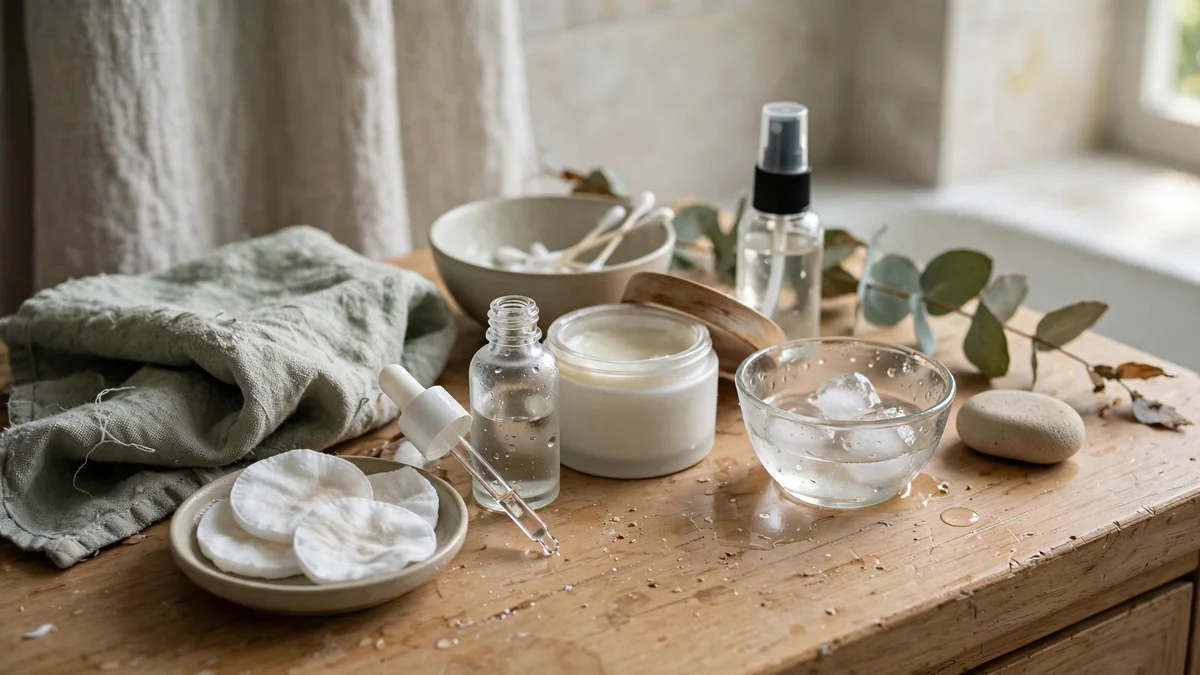
A chemical peel for ice pick scars softens the edges of the scar and improves the overall texture of the skin. It does not fill or remove a narrow, deep channel. Ice pick scars are tethered to the deeper dermis, and a peel only reaches so far. If a clinic promises to erase them with a peel alone, that is a sales pitch.
I am Jessica Bishop. I have spent years reading the dermatology literature on acne scarring, and I have watched the peel market sell hope in a bottle.
What an Ice Pick Scar Actually Is
An ice pick scar is a narrow, sharply defined pit that looks like a small puncture. It forms when a deep inflammatory acne lesion destroys collagen and the skin heals with a downward tether. The surface opening is tiny, but the base sits well below it.
That shape matters. A peel works by injuring the top layers of skin so new skin grows back smoother. It can remodel the surface. It cannot cut a tether that anchors the base of the pit to deeper tissue. So the pit stays, even when the surrounding skin looks better.
This is the single most important thing to understand before you book anything. Peels can improve skin texture, but they do not remove ice pick scars.
What Each Peel Depth Can and Cannot Do
Peels come in three broad depths, and the depth decides everything about results, downtime, and risk.
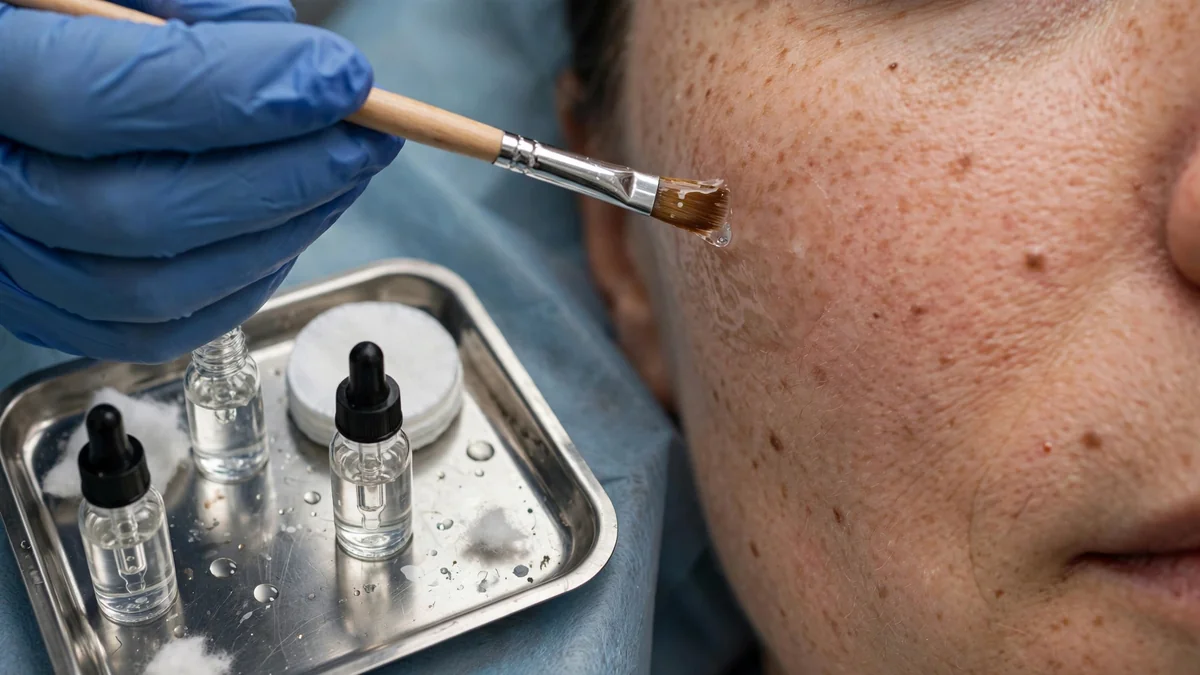
Superficial peels use alpha-hydroxy acids such as glycolic or lactic acid, beta-hydroxy acid (salicylic), or low-strength trichloroacetic acid (TCA). They exfoliate the epidermis. Expect smoother, brighter skin and a slight softening of shallow texture. Ice pick scars will still be visible.
Medium peels use higher-strength TCA, often combined with a priming routine. They reach into the papillary dermis and trigger collagen remodelling. This is where you start to see real change in scar edges and skin tone. Downtime at this depth usually lasts days.
Deep peels use high-strength TCA or phenol. They reach the reticular dermis and can produce substantial remodelling. They also carry real risk of hypopigmentation, scarring, and a recovery measured in weeks. Most dermatologists reserve them for specific cases and specific skin types.
Even a deep peel rarely resolves an ice pick scar on its own. The literature and clinical experience indicate that peels can be combined with other treatments.
The Realistic Timeline, Session by Session
Visible scar change takes longer than a fortnight. Swelling and plumpness fade within days, while collagen remodelling takes months.
A typical medium-peel plan looks like this.
- Prime the skin for several weeks with a retinoid or an acid at home, as directed, to even out penetration.
- Attend the first in-clinic peel. The practitioner cleanses, degreases, and applies the acid in controlled layers.
- Cool and neutralise, then leave with a simple barrier routine and strict sun protection.
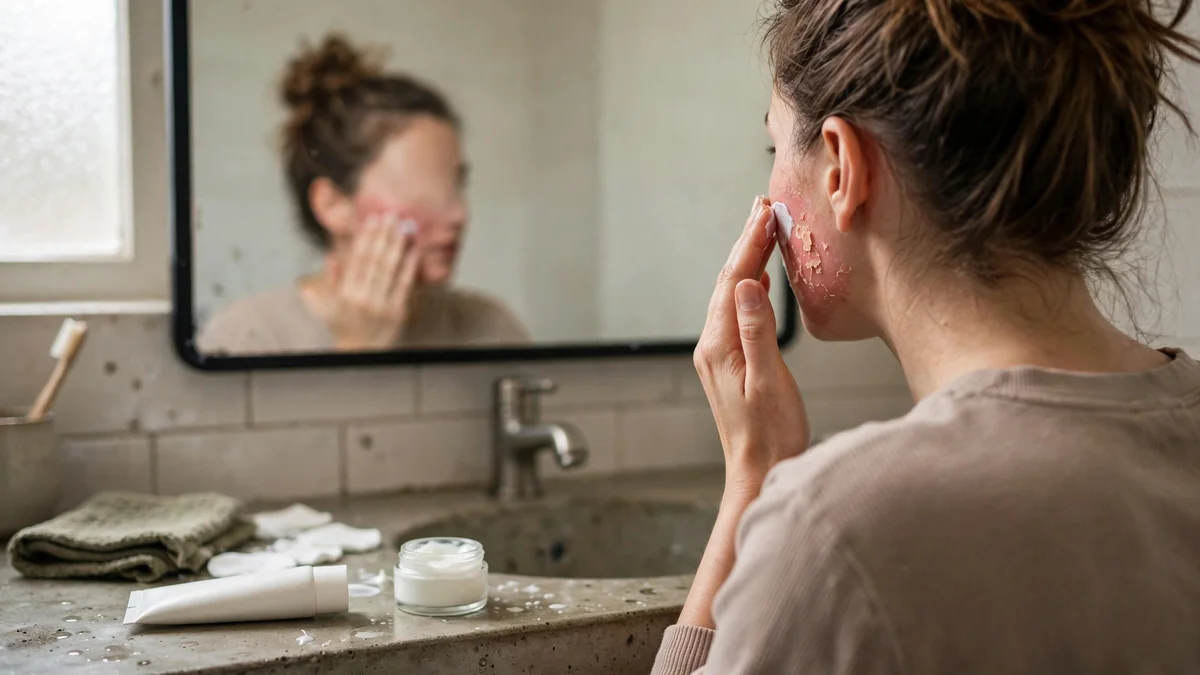
- Expect peeling and redness for several days, with the worst around day two or three.
- Repeat every few weeks for a course of sessions, often three to six, depending on depth and response.
- Judge the result at the three-month mark, once collagen has had time to mature.
Twelve weeks is when you can judge it. Not twelve days. A peel is selling you hydration, not repair. If you want a fuller picture of how long scar change takes in general, my guide to how long acne scars last walks through the biology.
Where Peels Fit in a Combined Plan
For ice pick scars, the treatment that actually addresses the tether is a surgical one. Punch excision removes the scar channel and closes the wound with a tiny suture or graft. It targets the specific defect a peel cannot reach. I cover the procedure, costs, and healing in my breakdown of punch excision for ice pick scars.
In practice, dermatologists often combine approaches. Punch excision handles the deep pits. A peel or laser session afterwards refines the surrounding texture and blends the result. Subcision releases tethers under rolling scars. Fillers add volume temporarily.
A peel can refine the surrounding texture after other treatments and make a real difference to how the skin looks overall.
Side Effects and Who Should Be Careful
Peels are not risk-free, and the risk scales with depth.
- Post-inflammatory hyperpigmentation is the most common issue, especially in deeper skin tones. It can last months.
- Hypopigmentation, or lightening, is a risk with deep peels and can be permanent.
- Cold sore reactivation is common after medium and deep peels. Antiviral cover is standard.
- Scarring is rare but real, more likely with deep peels or if you pick at peeling skin.
- Infection can follow if the barrier is damaged and aftercare is ignored.
Darker skin tones need extra caution and an experienced practitioner. If someone offers you a deep peel without asking about your skin type, your history, or your current routine, walk away.
What It Costs and How to Choose a Provider
Costs vary widely by city, depth, and whether a dermatologist or an aesthetician performs the peel. A superficial peel sits at the low end. A medium or deep peel costs more, and a course of sessions multiplies that. Ask for a written plan with the number of sessions and the total price before you commit.
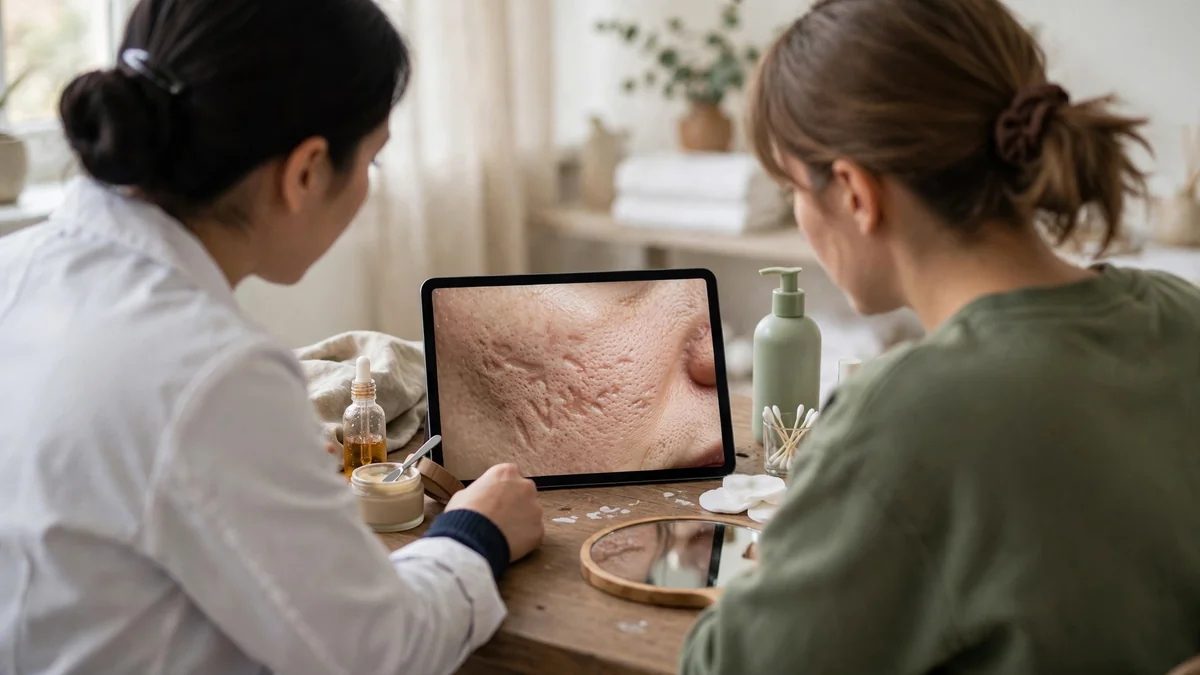
Choose a provider who will tell you what a peel cannot do. A good practitioner will map your scars by type, explain that ice pick scars need a different approach, and offer a combined plan. If the answer is a peel package and nothing else, keep looking.
If you are still working out which scars you have and what helps them, my overview of how to get rid of pimple scars is a sensible starting point.
Aftercare That Protects Your Result
What you do in the week after a peel decides how it heals.
Keep the routine minimal. A gentle cleanser, a plain moisturiser, and broad-spectrum sunscreen. Skip actives such as retinol, vitamin C, and exfoliating acids until the practitioner clears you. Do not pick or peel the flaking skin, however tempting. That is how people create new marks.
Sun protection is not optional. Freshly peeled skin is vulnerable, and ultraviolet exposure drives the pigmentation you were trying to fix. A wide-brimmed hat and daily sunscreen support the treatment.
Chemical Peel for Ice Pick Scars FAQ
Can a chemical peel remove ice pick scars completely?
No. A peel can soften the edges of an ice pick scar and improve surrounding texture, but it cannot remove a deep tethered channel. Complete removal usually requires a surgical approach such as punch excision, often combined with a peel or laser for the surface.
How many chemical peels will I need for ice pick scars?
Most plans involve a course of sessions. The number depends on peel depth, your skin’s response, and how much texture change you want. A superficial course may run to several sessions. A medium peel course is usually shorter. Ask for the plan in writing.
Are chemical peels safe for darker skin tones?
They can be, with the right practitioner and the right depth. The main concern is post-inflammatory hyperpigmentation. A cautious, experienced provider will often begin with a superficial peel and adjust the depth as needed.
How long is the downtime after a peel for ice pick scars?
Superficial peels may leave you slightly pink for a day. Medium peels involve several days of redness and visible peeling, with the worst around day two or three. Deep peels can mean a week or more of recovery. Plan around your work and social calendar.
When should I see a dermatologist instead of an aesthetician?
See a dermatologist if your scars are deep, if you have darker skin, if you have a history of cold sores or keloids, or if you have tried peels without a result. A dermatologist can assess scar type and combine treatments properly. Aestheticians can perform superficial peels well, but deep peels belong with medical supervision.

Jessica Bishop
Jessica writes about acne scar types, treatment options, and everyday skincare routines for Acne-Scarring.info, focused on practical, easy-to-follow guidance.
View all posts by Jessica Bishop →