


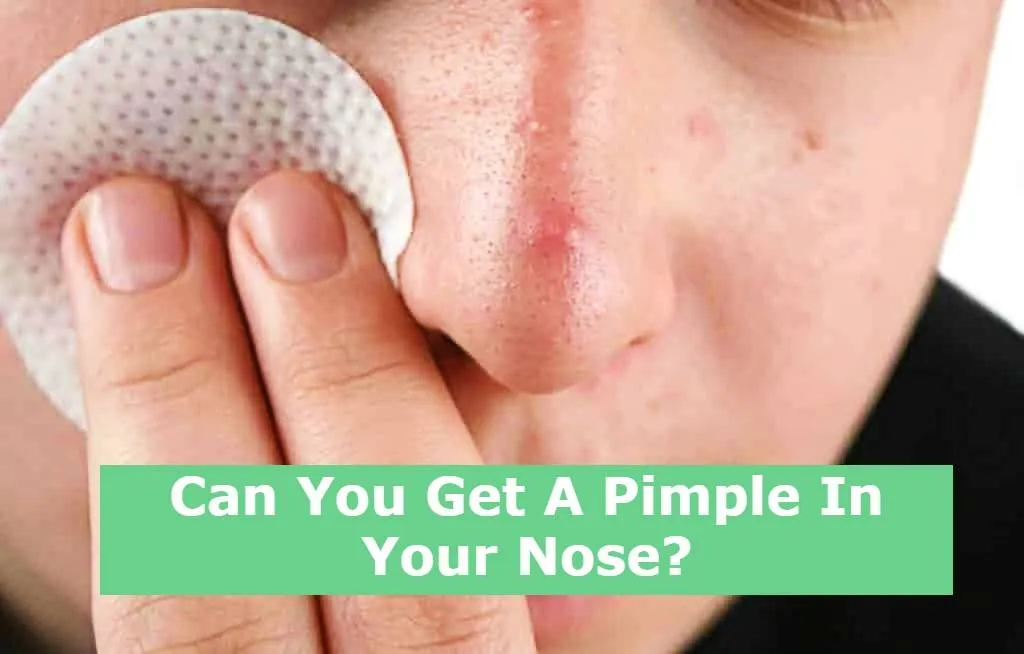
You might be wondering whether or not you can get a pimple on your nose. If you are then you should be aware that there are some things you can do to prevent this from happening. Read on to find out more.
Avoid touching, picking or blowing your nose
One of the best ways to avoid getting a pimple in your nose is to stop picking your nose. This habit is socially unacceptable and can lead to infections and irritations. It can also increase the risk of developing folliculitis.
Picking your nose can make the skin around the bumps more prone to infection, and it can spread bacteria into your sinuses. This can cause you to sneeze, cough, or even suffer a nose bleed. If you experience a recurrence of the problem, talk with your doctor.
To get rid of the discomfort of a bump, try applying warm, moist compresses. You may also want to use a saline spray. Saline helps to keep the nostrils moisturized and prevent dryness.
Some of the causes of bumps on or inside the nose include bacterial, fungal, or allergic infection. Using a cool air humidifier can help to prevent drying out the mucus membrane.
Bacteria
Pimples in the nose can be a source of pain and discomfort. They can be caused by bacteria or an infected hair follicle. These infections can be serious. If they are not treated, they can spread.
A pimple can develop inside the nose when a pore is blocked by dead skin cells, oil, or dirt. When the pore becomes infected, the bacteria will start to grow. The infection will also cause inflammation.
One way to clear up a pimple in the nose is to use a topical antibiotic ointment. It is recommended to visit a dermatologist for this procedure. Another option is to lance the pimple.
You can avoid getting a pimple in the nose if you clean it regularly. Make sure that you wash your face and nostrils regularly with a mild soap and a warm washcloth.
Ingrown hairs
If you’ve been noticing pimples on your nose, there’s a good chance you’re suffering from ingrown hairs. Although ingrown hairs are relatively easy to treat, they can be problematic. These tiny hairs can cause infections if they are not properly removed.
Ingrown hairs can occur on any part of your body, but they’re most common on the face and neck of men. They can also be painful.
One of the most common causes of ingrown hairs is shaving. When you shave, your hairs curl back, and they can end up in your skin. As a result, they can get caught in your pores and produce red, painful bumps. However, you can prevent these ingrown hairs from happening.
You can remove ingrown hairs with a tweezer or a sterile needle. This can be done without breaking the skin.
Cold sores
Pimples in the nose can be extremely painful. They are particularly irritating because the inside of the nose is quite delicate. In addition, they can cause pain in other parts of the face. If they don’t clear up within a few days, it’s important to consult a dermatologist.
One of the most common causes of pimples in the nose is ingrown hairs. When the hairs pierce the skin, infection can occur.
The infection will cause the area to scab. A cold sore may also occur. Cold sores are caused by the herpes simplex virus.
Cold sores are contagious. You can spread the infection to others by sharing towels or touching the area. Avoid exposing yourself to anyone who is infected with cold sores. Symptoms of the cold sore include swelling, redness, and itching. Often, cold sores will disappear in a few days.
Treatment
Pimples inside the nose can be a pain. They can also lead to more serious conditions, such as cellulitis. Symptoms of this infection include dimpling of the skin and swelling of the affected area. If you suspect you have an infected pimple, it’s best to get medical help immediately.
The first thing to do is to get your pimple checked out by a dermatologist. Your doctor can determine the cause of your pimple and come up with a more targeted treatment plan.
You can apply a warm, wet compress to the pimple to ease discomfort. Applying the compress for 20 minutes three times a day is an effective way to reduce pain and discomfort.
You may need to take antibiotic ointments to clear up the infection. Aside from ointments, you can also try topical skincare products that contain salicylic acid to clear up the area.

Jessica Bishop
Jessica writes about acne scar types, treatment options, and everyday skincare routines for Acne-Scarring.info, focused on practical, easy-to-follow guidance.
View all posts by Jessica Bishop →