


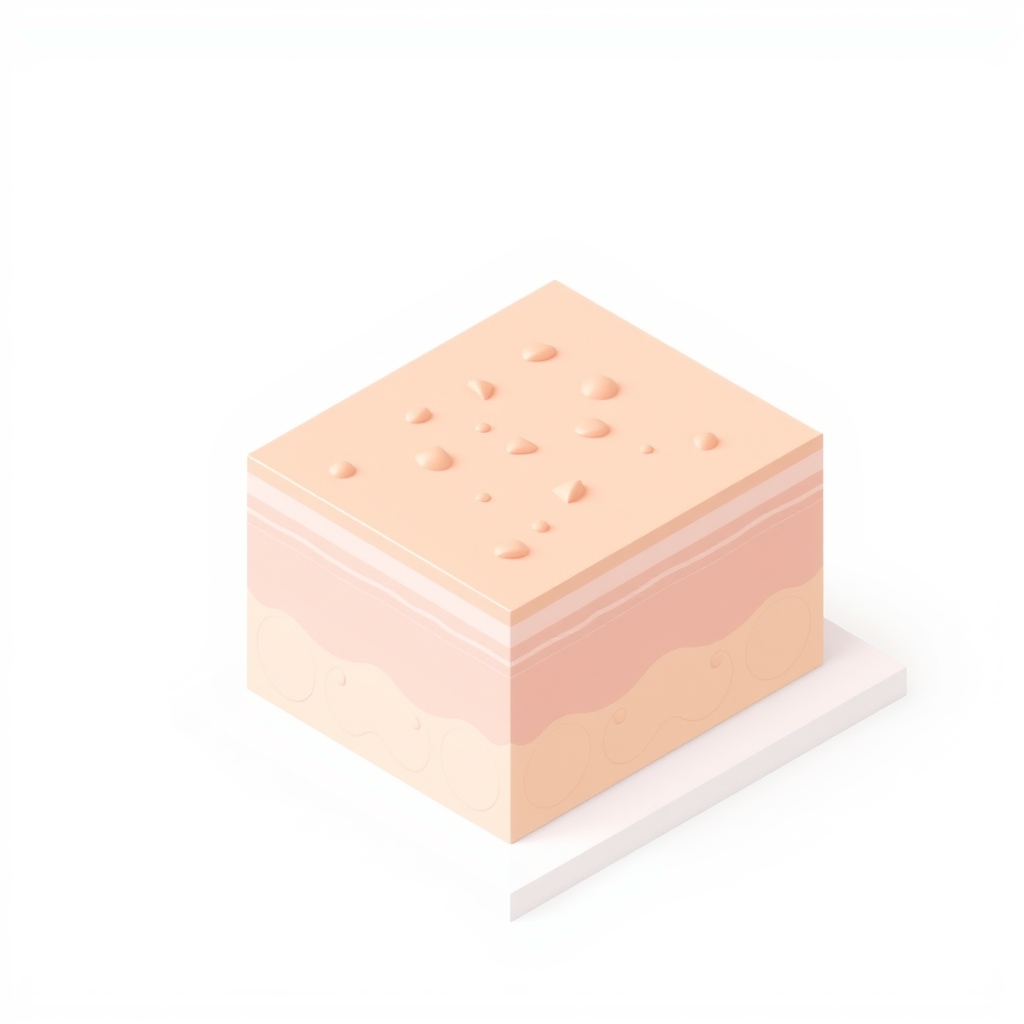
The main types of acne scars are atrophic (depressed) scars (ice pick, boxcar, and rolling), plus hypertrophic and keloid scars that sit raised above the skin, and post-inflammatory marks (dark spots and redness) that are discoloration rather than true scars. Telling them apart is the first real step to understanding what your skin needs, because each type forms differently and responds to a different approach.
This guide explains how to recognize each type and why it forms, then points you toward the right next step. It is informational only and not a substitute for a professional assessment. If scarring affects how you feel, a board-certified dermatologist can examine your skin in person and give advice tailored to you.
What Is an Acne Scar?
An acne scar is a lasting change in the skin’s texture that remains after a breakout heals. True scarring happens when inflammation from a pimple, cyst, or nodule damages the deeper layer of skin (the dermis), and the body’s repair process makes either too little or too much collagen as it heals. That imbalance is what leaves a permanent dent or bump instead of smooth skin.
This is different from the flat dark or red marks many people notice after a breakout fades. Those marks are pigment or blood-vessel changes, not scars, and they often improve on their own over weeks to months. Knowing which one you have matters, because the two are managed in completely different ways.
The Two Main Categories of Acne Scars
Dermatologists sort true acne scars into two broad groups based on how the skin heals, according to the American Academy of Dermatology:
- Atrophic (depressed) scars form when the skin makes too little collagen during healing, leaving a small dip or indentation. These are the most common result of inflammatory acne on the face.
- Hypertrophic and keloid (raised) scars form when the skin makes too much collagen, leaving a firm bump above the surrounding surface. They show up more often on the chest, shoulders, back, and jawline.
Most facial acne scarring falls into the atrophic group, which is why the three subtypes below get the most attention. If you already know your type and want to skip ahead, our guide to the best treatments for each type of acne scar covers what actually helps.

Ice Pick Scars
Ice pick scars are narrow, deep, V-shaped pits that look as if the skin was pierced by a fine, pointed tool. They are usually less than 2 millimeters wide at the surface but reach deep into the skin, which is what makes them read as small, sharp-edged holes rather than shallow dips.
Why Ice Pick Scars Form
These scars typically develop after deep, inflamed breakouts such as cysts or infected pores that destroy tissue all the way down. Because the damage is narrow but deep, the skin heals into a tight, column-like depression instead of a wide one. Ice pick scars are often the most stubborn type, since surface-level treatments rarely reach their full depth.
Boxcar Scars
Boxcar scars are broad depressions with sharply defined, near-vertical edges, giving them a box-like or crater appearance. They are wider than ice pick scars and have a flat base, so they look more like a shallow square or oval indentation than a pinpoint hole.
Why Boxcar Scars Form
Boxcar scars appear when an inflammatory breakout destroys collagen across a wider area, causing the overlying skin to drop into a depressed patch with steep sides. They commonly show up on the cheeks and temples, where the skin is thicker. Their depth varies. Shallow ones respond more readily to resurfacing approaches, while deeper boxcars are harder to smooth.
Rolling Scars
Rolling scars are wide, shallow depressions with sloping, rounded edges that give the skin a wavy, uneven look. Unlike boxcar scars, they have no sharp borders, so the skin seems to gently roll rather than drop into a defined pit.
Why Rolling Scars Form
Rolling scars develop when fibrous bands of tissue form between the skin’s surface and the deeper layers, tethering the skin down and pulling it into broad waves. They tend to become more noticeable with age as the skin loses some of its natural firmness. Because the cause is tethering beneath the surface, treatments for rolling scars often focus on releasing those bands rather than resurfacing the top.
Ice Pick vs Boxcar vs Rolling: Quick Comparison
Here is a side-by-side summary of the three atrophic scar types to help you tell them apart:
| Scar Type | Shape | Width & Depth | Edges | Common Areas |
|---|---|---|---|---|
| Ice pick | Narrow V-shaped pit | Narrow, deep | Sharp, pointed | Cheeks, forehead |
| Boxcar | Crater with flat base | Wider, shallow to medium | Steep, defined | Cheeks, temples |
| Rolling | Wavy depression | Wide, shallow | Sloping, rounded | Lower cheeks, jawline |
Many people have a mix of all three on the same face, which is completely normal. A dermatologist can identify exactly which types you have, and the right plan often depends on the specific combination present.
How to Tell Your Scar Type at Home
You can get a rough read before any appointment. Face a mirror in bright, side-angled light rather than flat overhead light, which hides depth. Then run a clean fingertip slowly over the area. A tiny, sharp hole that catches the light points to ice pick. A wider dent with a flat floor and steep walls reads as boxcar. A soft, wavy dip with no clear edge is usually rolling. This is a starting point, not a diagnosis, but it helps you describe what you see.
Raised Scars: Hypertrophic and Keloid
Hypertrophic and keloid scars are firm, raised scars caused by an overproduction of collagen during healing. Hypertrophic scars stay within the boundary of the original breakout. Keloid scars grow beyond it and can keep expanding over time.
These raised scars are less common on the face and tend to form on the chest, back, shoulders, and along the jawline. People with deeper skin tones are more prone to keloids, and keloids can also appear in spots like the ear or, occasionally, the nose. Because raised scars behave so differently from depressed ones, a professional assessment is especially useful here before trying anything that might irritate the area further.
Post-Inflammatory Marks vs True Scars
One of the most common mix-ups is treating a flat mark as a scar. There are two kinds of post-acne discoloration, and neither is a true scar:
- Post-inflammatory hyperpigmentation (PIH) shows up as flat brown, tan, or dark patches where a pimple used to be. It comes from extra pigment and is more noticeable in deeper skin tones.
- Post-inflammatory erythema (PIE) shows up as flat pink, red, or purple marks left by lingering dilated blood vessels. It is more visible in lighter skin tones. If redness is your main concern, see our tips on how to reduce redness from acne.
The quickest test is texture. Run a finger over the area: if the skin feels smooth and level, it is most likely a mark, not a scar. These marks usually fade gradually on their own, and consistent daily sunscreen speeds that up. True scars, by contrast, involve a permanent change in texture you can actually feel.
What Can Make Acne Scarring Worse?
Some scarring is hard to avoid, but a few everyday habits are widely understood to raise the risk:
- Picking or squeezing breakouts pushes inflammation deeper and increases the chance of a lasting scar.
- Skipping sun protection darkens both marks and scars, making them more obvious and slower to fade.
- Leaving inflammatory acne untreated gives deep cysts and nodules more time to damage the skin underneath.
The single most effective way to prevent new scars is to treat active, inflammatory acne early. If over-the-counter products are not keeping breakouts under control, a dermatologist can put together a plan suited to your skin.
When to See a Dermatologist
Acne scarring is common and nothing to be embarrassed about, but professional input is worth it if any of the following apply to you:
- You have deep, inflamed breakouts (cysts or nodules) that keep returning.
- Your scars are deepening or spreading rather than improving.
- You are considering a procedure and want to know which options suit your scar type and skin tone.
- The scarring is affecting your confidence or daily life.
A board-certified dermatologist can examine your skin in person, confirm which scar types you have, and explain realistic options. This article is for general education only and does not diagnose any condition or recommend a specific treatment.
Frequently Asked Questions
What are the main types of acne scars?
The main types are atrophic (depressed) scars, meaning ice pick, boxcar, and rolling; hypertrophic and keloid (raised) scars; and post-inflammatory marks, which are flat discoloration rather than true scars. Atrophic scars are the most common type on the face.
How can I tell if I have a scar or just a dark mark?
Gently feel the area. If the skin is smooth and level with the surrounding surface, it is most likely a post-inflammatory mark that will fade over time. If you can feel a dent or a raised bump, it is more likely a true scar involving a change in texture.
Are ice pick scars the hardest type to treat?
Ice pick scars are often considered the most challenging because they are narrow but reach deep into the skin, so surface-level approaches rarely get to their full depth. The right option depends on the individual scar, which a dermatologist can assess in person.
Do acne scars ever fade on their own?
Flat post-inflammatory marks often fade gradually over weeks to months, especially with consistent sun protection. True scars that involve a change in texture, such as ice pick or boxcar scars, generally do not disappear on their own. We cover this in more detail in does acne scarring go away.
Can I prevent acne scars?
You can lower your risk by treating inflammatory acne early, avoiding picking or squeezing breakouts, and protecting your skin from the sun. No habit guarantees scar-free healing, but these steps are widely recommended to reduce the chance of lasting scars.
Key Takeaways
Acne scars fall into a few clear groups: depressed atrophic scars (ice pick, boxcar, rolling), raised hypertrophic and keloid scars, and flat post-inflammatory marks that are not true scars at all. Telling them apart comes down to shape, depth, edges, and whether you can feel a change in texture. Because the right approach varies so much by type and by individual skin, the most reliable next step is a professional assessment. Treat this guide as a starting point for understanding your skin, not as medical advice.
Sources
- American Academy of Dermatology: Acne scars: Diagnosis and treatment
- Cleveland Clinic: Acne Scars: Types, Causes & Treatment
- DermNet: Acne scarring and Keloid and hypertrophic scars

Jessica Bishop
Jessica writes about acne scar types, treatment options, and everyday skincare routines for Acne-Scarring.info, focused on practical, easy-to-follow guidance.
View all posts by Jessica Bishop →