



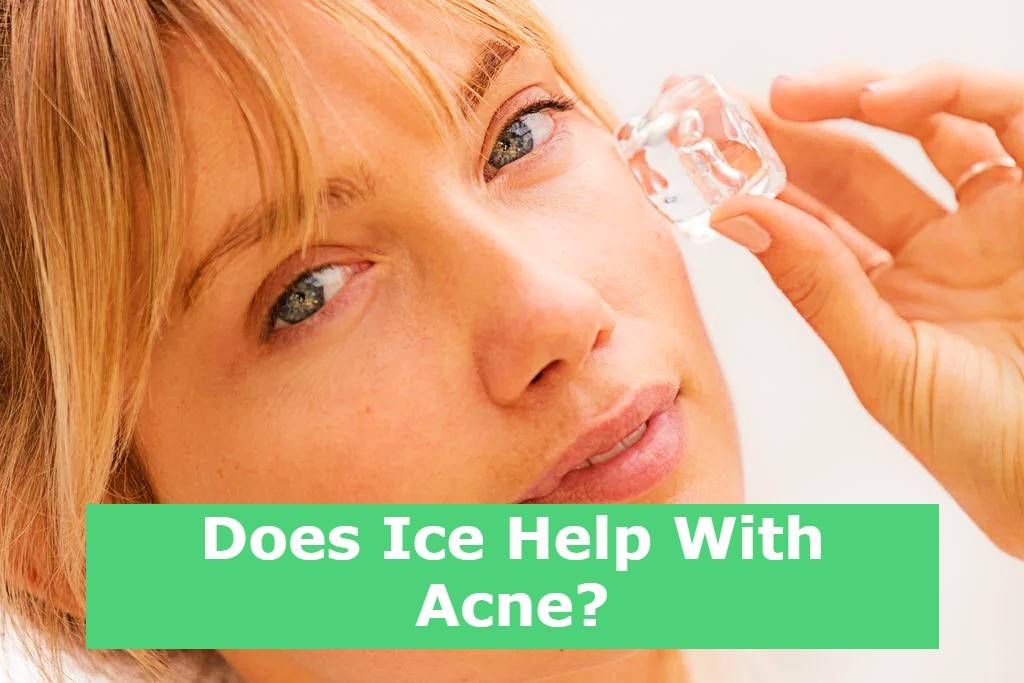
Ice is an acne treatment product that is meant to reduce the inflammation, pain, and inflammation that can occur due to acne. However, it does not eliminate bacteria, unclog pores, or control oil production. This means that it is unable to prevent future outbreaks.
Ice reduces inflammation
Ice helps acne in several ways. It can shrink the size of acne bumps, reduce the redness, and even reduce pain associated with an outbreak. However, it is important to note that ice cannot cure acne.
Acne can be caused by bacteria overgrowth, hormone imbalances, or overactive sebum glands. Topical treatments like antibiotics, benzoyl peroxide, or salicylic acid are widely available. They kill the bacteria and may reduce inflammation and redness.
Ice therapy can be used on the face, neck, chin, and forehead. A study found that it helped to improve skin quality and reduced the severity of rolling and depressed acne scars.
The effectiveness of ice on your acne is often attributed to its ability to constrict blood vessels, decrease swelling, and minimize redness. These effects are not permanent, however.
Ice helps reduce pain
One of the most common acne remedies is using ice. The idea is to reduce the pain and swelling associated with painful zits. Ice can also help numb nerve endings, which can make the experience more bearable. However, ice can exacerbate symptoms if used improperly.
It is important to note that ice does not cure your acne. Ice does not kill bacteria, prevent clogged pores, or combat overproduction of skin oil.
Rather, it can be useful in reducing the redness and inflammation associated with inflammatory acne. Some ice treatments even work on cystic acne.
While ice can be an effective short-term remedy for painful zits, it is not recommended for more serious cases. Besides, it can lead to frostbite if applied directly to the skin.
Ice can treat acne without side effects
When it comes to getting rid of pimples, it is important to find a solution that doesn’t involve a lot of pain. Ice can be used to alleviate some of the symptoms of acne without any side effects.
It works by constricting the blood vessels, reducing swelling, and calming inflammation. Some studies show that it can also help reduce acne scars. But, it is not a cure. If your acne is severe, you should see a dermatologist. They can provide prescriptions for topical treatments and lifestyle changes that can keep your acne under control.
Ice can be applied in a number of ways. For example, you can make ice packs from water or lemon juice and place them on the affected areas. Another option is to place a few ice cubes in a plastic bag.
Ice doesn’t unclog pores
If you’re looking for a miracle cure for acne, you may have heard about ice. In theory, it sounds great: it reduces redness and swelling, and can help unclog pores. However, the truth is that ice isn’t all it’s cracked up to be. It won’t cure your acne, and you should definitely see a dermatologist before trying any home treatments.
The key to avoiding a clogged pore is to keep it clean. Overproduction of sebum and the buildup of dead skin cells are the main culprits. You should also be careful not to touch your face.
To help clear up your pore, you can try a face scrub. A brush or a cleansing wash can also remove dirt and dead skin. Applying a charcoal mask once a week can also help.
Ice doesn’t eliminate bacteria
Ice for acne might be a quick and easy solution to your blemishes, but it does not get rid of the bacteria that cause them. Instead, ice helps to reduce pain and inflammation associated with inflammatory acne. This is because ice causes a decrease in tissue temperature. When the temperature of your skin is reduced, blood vessels in your skin constrict, reducing swelling.
You can use ice for acne in several ways. One way is to create a cold compress. You can simply add ice to cold water and then rub it onto the affected area. Another option is to make an ice pack by putting ice in a plastic bag. Place the ice pack on the acne-affected area for five to ten minutes.