


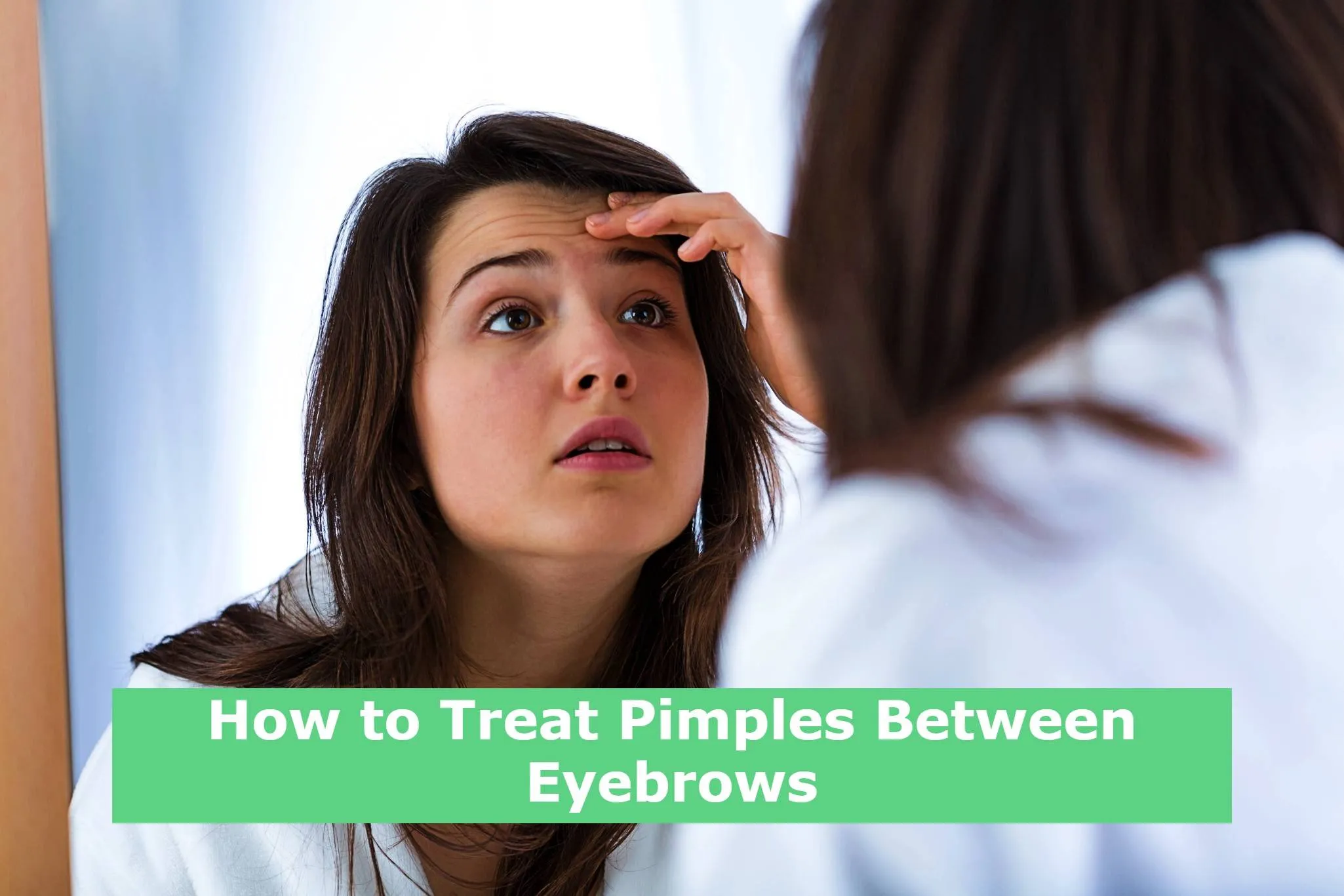
If you have been suffering from ingrown hairs and pimples between your eyebrows, you may have found that there are many different methods to try to treat these problems. However, you should always consult with a dermatologist before trying any new treatments. These treatments include Glycolic acid, tea tree oil, and red and blue light therapy.
Ingrown hairs
Aside from acne, ingrown hairs can be a painful and irritating skin problem. However, it is not life threatening. It can usually be treated at home using some simple techniques.
To treat ingrown hairs, the first step is to identify them. Ingrown hairs are typically small red bumps that look similar to pimples. They are formed when hairs grow into the pores in the skin. When inflamed, these areas need time to heal.
The most common area for ingrown hairs is on the face and legs. They can also occur on other parts of the body. Depending on the severity of the infection, a doctor may need to prescribe medications.
To prevent ingrown hairs, avoid shaving or waxing your eyebrows. If you must shave, make sure you shave with a razor that is sharp. Also, make sure that you use a gentle soap.
Tea tree oil
If you’re looking for a natural treatment for pimples between the eyebrows, consider using tea tree oil. This natural oil possesses antibacterial and antifungal properties. It can help treat dandruff, athlete’s foot and acne. However, it is important to use the product properly to avoid adverse effects.
When buying a tea tree oil, you’ll want to buy the purest one available. Look for a label that reads “certified organic”.
The oil is also a good source of antioxidants, which can reduce psoriasis flaking. Tea tree essential oil can cause a minor skin reaction in some individuals, though.
Using the tea tree oil as a topical treatment is safe, but it may not be suitable for everyone. Some people have a reaction to the oil, which can be irritating or even painful.
Glycolic acid
If you have pimples between your eyebrows, glycolic acid may be the solution to your problem. Glycolic acid works by dissolving dead skin cells and revealing smoother skin underneath. The process is referred to as a chemical exfoliation.
It can help reduce fine lines, acne, and blemishes, and it can also decrease the amount of sun damage that your skin suffers from. However, it should be used responsibly.
In the first place, you should consult your dermatologist before you begin using glycolic acid. He or she can determine whether or not you have a sensitivity to the acid. Additionally, your doctor will let you know how long the acid should stay on your skin.
Once you’ve determined that your skin can handle glycolic acid, the next step is to choose a product that will give you the results you desire. There are several options to choose from, including peel pads and leave-on creams.
Red and blue light therapy
If you are prone to acne, red and blue light therapy can help you achieve clear skin. The process is known as photobiomodulation. It stimulates various pathways in the cells that are responsible for skin repair and renewal. This can also be helpful in healing wounds.
When it comes to anti-aging, the best defense is to increase the production of collagen and elastin. Red light and blue light therapy boost the production of these two compounds, which are needed for healthy skin.
Blue light can be effective in killing bacteria that causes acne. Red light, on the other hand, has been shown to reduce inflammation. Both therapies improve the quality and density of the collagen and elastin in the skin.
A study on the effects of both red and blue light therapy showed that they were safe and effective. One of the major benefits is that they were effective in treating plaques in psoriasis patients.
Consult a dermatologist
Acne between eyebrows is one of the most common acne problems. It is a form of skin inflammation that occurs when the hair follicles are clogged with sebum and debris. If left untreated, this type of acne can cause permanent scars.
One of the most common causes of acne between eyebrows is excess oil. This oil may come from the scalp or the hair products that you use on your hair. The oils can then transfer to the pores along your brow line.
Alternatively, you may have a buildup of bacteria. These bacteria can cause infection, which can result in a pimple.
A dermatologist can treat acne between eyebrows with prescription medications. These medications can reduce inflammation and help to heal the affected area.

Jessica Bishop
Jessica writes about acne scar types, treatment options, and everyday skincare routines for Acne-Scarring.info, focused on practical, easy-to-follow guidance.
View all posts by Jessica Bishop →