



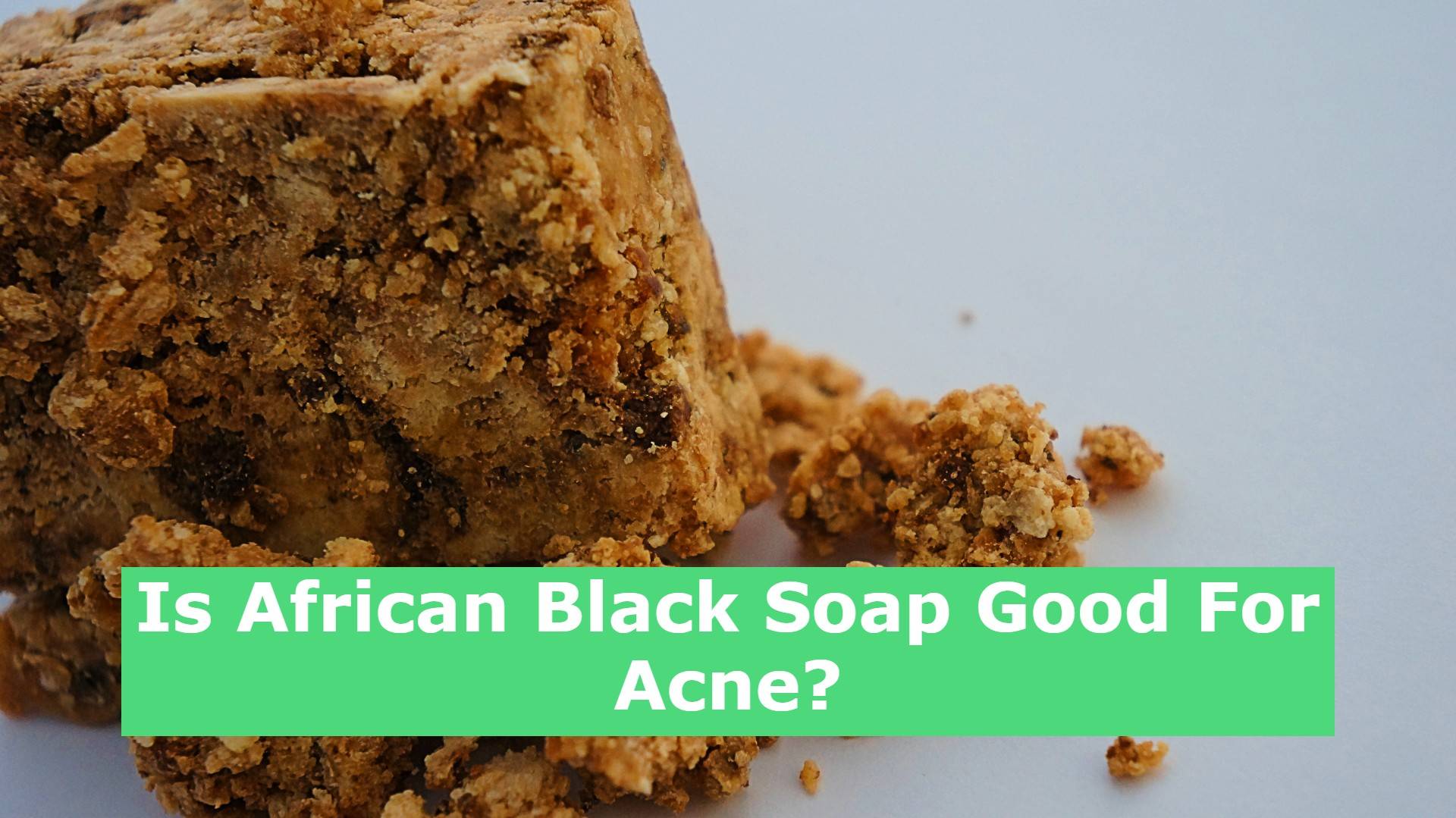
There are several products out there that claim to be good for acne. However, it can be difficult to determine whether they really work. If you are looking for a new way to treat your skin, you should check out the benefits of African black soap. This soap can exfoliate your skin, kill bacteria, and treat eczema and psoriasis. It can also be helpful for those with rashes, itching, or burning. But, there are some potential side effects you should be aware of.
Exfoliates skin
African black soap is an all-natural skincare product with a number of benefits. It can help reduce the effects of wrinkles and age spots, and it can also aid in keeping your skin looking bright and youthful. Depending on where the soap was derived, its ingredients vary.
The soap’s exfoliating properties can remove dead cells from the surface of your skin. In addition, it has antimicrobial properties.
Using African black soap as an exfoliator may also help in the reduction of acne and rashes. This is because the ash in the soap helps to exfoliate the skin.
African black soap is also good for preventing the buildup of oils on the skin. However, it can be drying. As a result, it’s recommended to use a moisturizer as a protective barrier to prevent the skin from drying out.
African black soap is not for everyone. If you have sensitive skin or eczema, you might want to avoid using it.
Kills bacteria
African black soap is a natural product that is designed to cleanse, exfoliate and moisturize the skin. It also has antibacterial and anti-inflammatory properties. In addition, it helps reduce the appearance of acne, rashes and fine lines. This makes it a perfect alternative to chemical cleansers.
It can be used as a body wash, facial wash or hair conditioner. Because it is all-natural, it’s a safe product for people with sensitive skin. However, it can be drying and should be used with caution on dry skin.
It’s best to test out a small amount before using it on your whole body. You can do this by applying the soap to your hand and rubbing it into your skin. Some people may experience a tingling or burning sensation.
The African Black Soap is made up of ingredients like palm kennel oil, cocoa pods, ash from plantain skins, and the bark of palm trees. These ingredients are extracted and heated before being placed into containers.
Treats eczema and psoriasis
African Black Soap is a natural soap that has been used for centuries by the people of Africa. It is believed to help heal and prevent skin ailments such as eczema and psoriasis.
The main ingredient in black soap is shea butter, which has been known to soothe and moisturize the skin. In addition, it has anti-inflammatory properties, helping the skin heal. Another key ingredient is camwood, which is a central West African tree.
African black soap can be beneficial for all skin types, including those with eczema. However, it’s important to patch test African black soap before using it on your skin. This is to make sure that it doesn’t cause irritation.
If you have eczema, it’s important to avoid products that can irritate your skin. SheaMoisture’s African Black Soap is specially formulated with certified organic Shea Butter to help relieve and soothe eczema.
African black soap contains antioxidants that can protect your skin from free radicals. It also contains ingredients that can help prevent fungal infections.
Can cause rash, itching, or burning
African black soap has a delicious, herbal, earthy scent. It is said to give a glowing complexion and smooth skin. In addition, it helps to exfoliate dead skin and reduce inflammation.
The soap is made from a variety of plant-based ingredients. These include palm oil, shea butter, and cocoa pods.
You should not use African Black Soap if you are allergic to the ingredients or if you have dry, sensitive skin. Some of the components in the soap, such as sulfur and dyes, can irritate your skin.
If you are concerned about the health of your skin, you should consult a dermatologist. Your doctor may be able to recommend a product that will not irritate your skin.
Before using African Black Soap, it’s a good idea to do a patch test. Apply a small amount on your hands and leave it for 90 seconds. After you’re finished, wash with water and follow with a moisturizer.