



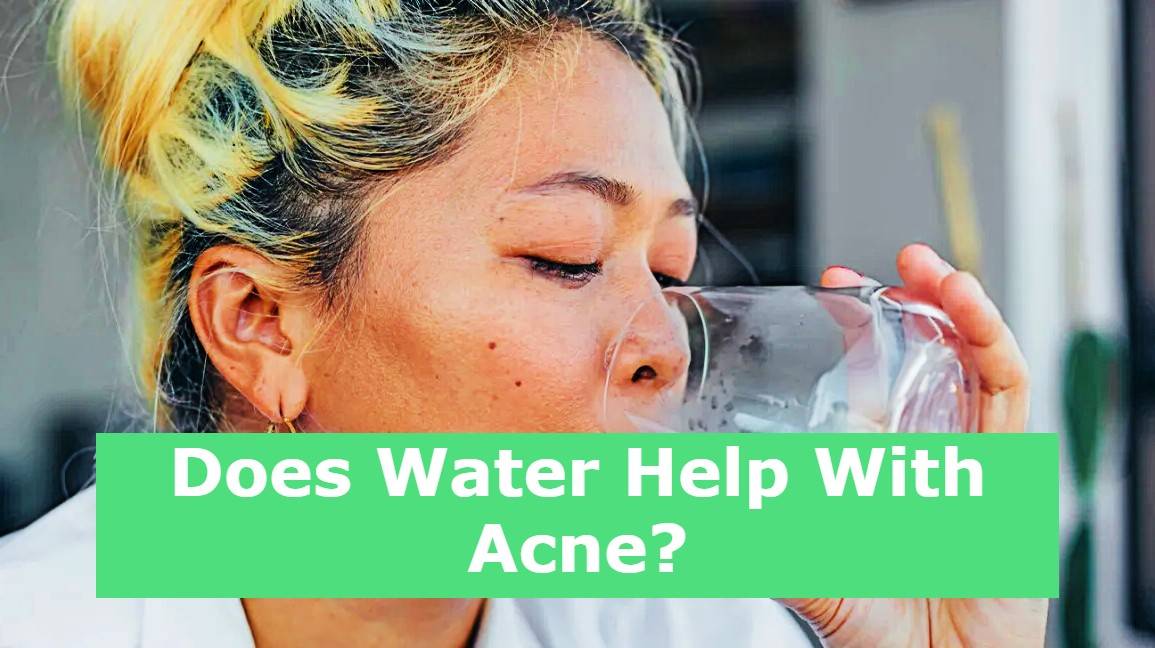
There are a number of benefits to drinking plenty of water. One of the main ones is that it helps to fight off bacteria and inflammation. It can also help to reduce scarring.
Increased hydration
Keeping your skin hydrated may be the key to fighting acne. It’s important to stay hydrated because your body is constantly coming in contact with toxins and metabolic byproducts. If you aren’t properly hydrated, you’ll be more likely to develop dermatitis, dry skin, and other skin problems.
To keep your skin hydrated, you should drink at least 8 glasses of water a day. This helps reduce swelling and improves your skin’s overall health.
Water also flushes out toxins that can cause acne. The best time to drink is right after waking up and before going to bed. You can also make hydrating a habit by keeping a bottle of water on hand.
Flush out toxins
Water is a natural way to flush out toxins from your system. It helps your body remove waste, which is important in promoting skin health. Drinking enough water can be a great way to prevent acne.
A healthy diet can rejuvenate your skin from the inside out. Foods rich in antioxidants, such as citrus fruits, will boost your immune system. This will also help protect your cells from damage.
To flush out toxins, you should drink at least eight glasses of water a day. You may need to increase your water intake if you are an acne sufferer.
You should try to avoid sugary juices, sodas, alcohol and processed foods while detoxifying. Drinking too much of the wrong kind of liquid can exacerbate an acne outbreak.
Reduce inflammation
Drinking adequate water can help reduce inflammation. It helps your skin maintain elasticity, fight bacteria, and flush out toxins.
Water also helps your skin retain moisture. This allows your cells to function properly. Your immune system is also better able to defend your body against harmful bacteria.
Taking a vitamin supplement can also help quell inflammation. Some of these supplements can also help to lower sebum production.
Changing your diet may also help to reduce the severity of your acne. Avoid eating foods that are high in glycemic index, such as refined carbohydrates and sugars. Eating these foods can cause a spike in your blood sugar level, which triggers a cascade of effects.
Reduce scarring
If you want to reduce scarring, you need to drink plenty of water. This helps keep your body hydrated, which also keeps your skin supple and smooth. It also helps remove excess oils that can cause acne.
Aside from drinking plenty of water, you can also apply vitamin E capsules or lemon juice to your scars. The vitamin E will help reduce inflammation and the lemon juice will help rejuvenate your skin cells.
Apple cider vinegar is also known for its healing effects. Mixing apple cider vinegar with distilled water and applying the solution with a cotton ball is one way to get rid of acne scars.
Fight off bacteria
The face is one of the most susceptible areas of the body to acne breakouts. Although the skin generally does a good job of keeping unwanted intruders at bay, it is still possible for bacteria to penetrate the surface.
In order to prevent acne, it’s important to maintain a healthy immune system. This includes staying hydrated and eating a low-glycemic index diet. These factors will allow your body to fight off toxins and infection.
Water helps the body flush toxins out of the body. It also promotes skin hydration and elasticity. A dehydrated body can lead to a variety of skin concerns, including acne.
Antibacterial hand sops are a quick fix. But they don’t address the underlying problem.
Overdose on water
The proper amount of water is essential to maintaining healthy hydration levels. It helps your liver and kidneys keep working at peak performance. This equates to fewer acne breakouts in the long run. Water also helps your skin breathe by flushing out toxins from your body. Taking the time to drink plenty of it may be the best thing you can do for your skin. Having the right water for the job can go a long way towards keeping you looking and feeling your best. If you have been diagnosed with acne and are considering any type of treatment, be sure to discuss all possible options with your physician.