


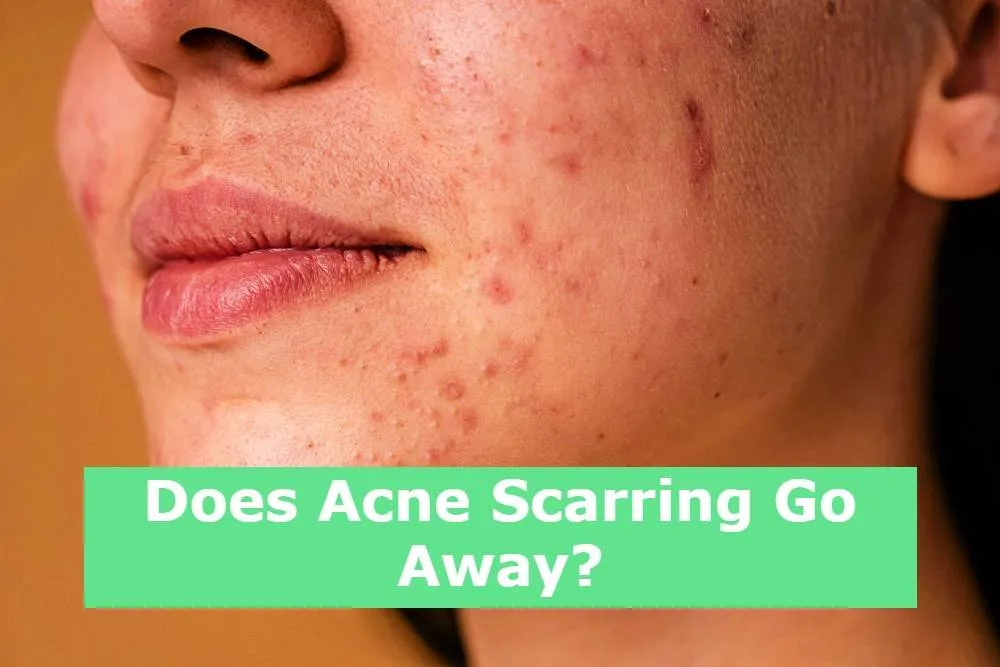
When you have acne scarring, it can be very uncomfortable. However, there are things you can do to reduce the scarring on your face and even prevent it. This article will discuss a few of them.
Treatment options
If you suffer from acne scars, there are a variety of treatment options to choose from. A dermatologist will be able to evaluate your skin and determine the best method of treatment for you. Some of these treatments can include topical skin care, injection therapy, micro-needling, and more.
One of the more effective treatments for acne scars is laser resurfacing. This involves using lasers to stimulate the body’s natural healing process to break up scar tissue and produce new collagen.
Another effective treatment for acne scars is steroid injections. These injections will reduce inflammation and help the scar heal. They can also be used to reduce the size of a scar.
Microneedling is another popular option for improving acne scars. Using a device similar to a sewing needle, the dermatologist places tiny needles into the scar. It triggers the formation of new collagen in the wound, reducing the depth of the scar.
Over-the-counter remedies
Over-the-counter acne scar treatments are available to help you diminish the appearance of your scars. However, there are some things to keep in mind when using these products.
The most effective way to reduce the appearance of your scars is to treat them at their source. That is, by controlling the underlying acne breakouts that cause them. If you have a history of frequent breakouts, a dermatologist can help you create a treatment regimen that is tailored to your skin type.
Natural remedies are another popular option. These products are made from ingredients that are known to help treat your acne and may also have other benefits.
For example, apple cider vinegar is a great exfoliant that you can use on your scars. This treatment can be applied three times a day and rinsed off with water after a few minutes.
Lasers
The goal of laser treatment for acne scars is to reduce the appearance of scars without causing significant damage to the skin. A laser works by targeting the surface of the skin, encouraging the body to produce more healthy skin cells.
Various types of lasers are used for this purpose. They can include ablative lasers, non-ablative lasers and intense pulsed light lasers. However, the effects are not permanent and may not be effective for deep acne scars. Choosing the best type of laser for your needs is essential.
Traditional ablative lasers remove the top layer of the skin to reduce acne scars. Although this procedure can be effective, it can also be painful and cause infection.
Non-ablative lasers work by stimulating collagen production. This results in more supple, smoother and healthier skin. These treatments are especially effective for people with mild to moderate acne scars.
Dermal fillers
Injectable facial fillers, including hyaluronic acid fillers, are an effective treatment option for acne scarring. These fillers add volume to the face and can give immediate results. They are generally safe and well tolerated by most patients.
When injected into the skin, hyaluronic acid stimulates fibroblasts, or the cells that produce collagen. This helps to restore lost collagen. It also helps to improve the contour of the skin.
Hyaluronic acid fillers can last for several months. However, they may require repeat injections to keep their effects. You can expect some redness and swelling after the procedure. Avoid strenuous exercise and facials for at least two weeks after your treatment.
There are many types of dermal fillers available, including Juvederm and Restylane. Each has a different effect on the skin, so you’ll need to work with your aesthetic practitioner to find a filler that is right for you.
Surgery
Acne scars can be treated through a variety of methods. One way is through minor surgery.
Surgical acne scar treatments may include subcision, punch grafting, and autologous fat transfer. Injections of corticosteroids can also help. The best approach to removing acne scars will depend on the specific type of scar.
If your scar is depressed, then ablative laser resurfacing can be a good option. This treatment removes the top layer of skin, allowing the body to regenerate new cells. A doctor will determine which type of laser resurfacing is right for your case.
Skin needling is another method of reducing scarring. This treatment involves rolling a device with a series of small needles over your skin. As the needles puncture your skin, the underlying tissue produces collagen.

Jessica Bishop
Jessica writes about acne scar types, treatment options, and everyday skincare routines for Acne-Scarring.info, focused on practical, easy-to-follow guidance.
View all posts by Jessica Bishop →